Hair Transplant in Turkey: Complete Guide
Discover everything you need to know about hair transplant surgery in Turkey, including techniques, recovery, benefits, costs, and why Turkey has become one of the world's leading destinations for hair restoration.
What Is a Hair Transplant?
A hair transplant is a minimally invasive procedure that restores hair growth by relocating healthy hair follicles from one area of the scalp (the donor area) to areas affected by thinning or hair loss.
The procedure is designed to provide natural-looking, permanent results by using your own hair follicles. Modern hair transplant techniques have made it possible to achieve dense, natural hairlines with minimal scarring and downtime.
Hair transplantation is one of the most effective solutions for male pattern baldness, thinning hair, receding hairlines, and certain forms of hair loss in both men and women.
Why Do People Experience Hair Loss?
Hair loss can occur for many reasons, including:
Genetic factors
Male pattern baldness
Hormonal changes
Aging
Stress
Medical conditions
Previous hair transplant scars or injuries
For many patients, hair loss can affect confidence and self-image, making hair restoration a life-changing procedure.
Why Choose Turkey for a Hair Transplant?
Turkey has become a global leader in hair transplant tourism, attracting hundreds of thousands of international patients each year.
Patients choose Turkey because of:
Experienced hair transplant specialists
Advanced medical facilities
Modern hair restoration techniques
Comprehensive treatment packages
Dedicated international patient services
Significantly lower costs compared to Europe, the UK, and the USA
Cities such as Istanbul have become internationally recognized centers for hair restoration procedures.
Who Is a Good Candidate for a Hair Transplant?
Hair transplant surgery may be suitable for individuals who:
Have a receding hairline
Experience thinning hair
Have areas of baldness
Possess sufficient donor hair
Are in good overall health
Have realistic expectations
A detailed consultation and scalp analysis are essential to determine candidacy and estimate the number of grafts required.
Hair Transplant Techniques
Several modern techniques are used depending on the patient's needs.
FUE (Follicular Unit Extraction)
FUE is one of the most popular hair transplant methods.
The procedure involves:
Extracting individual hair follicles
Transplanting them into thinning areas
Minimal scarring
Natural-looking results
FUE is widely preferred due to its precision and shorter recovery time.
Sapphire FUE
A variation of traditional FUE that uses specialized sapphire blades.
Benefits may include:
Greater precision
Smaller incisions
Faster healing
Natural hairline design
DHI (Direct Hair Implantation)
DHI uses a specialized implantation tool that allows direct placement of hair follicles.
Advantages include:
Precise graft placement
High-density implantation
Minimal handling of grafts
Natural growth patterns
The most suitable technique depends on the patient's hair loss pattern and goals.
How Does the Procedure Work?
A hair transplant generally follows these steps:
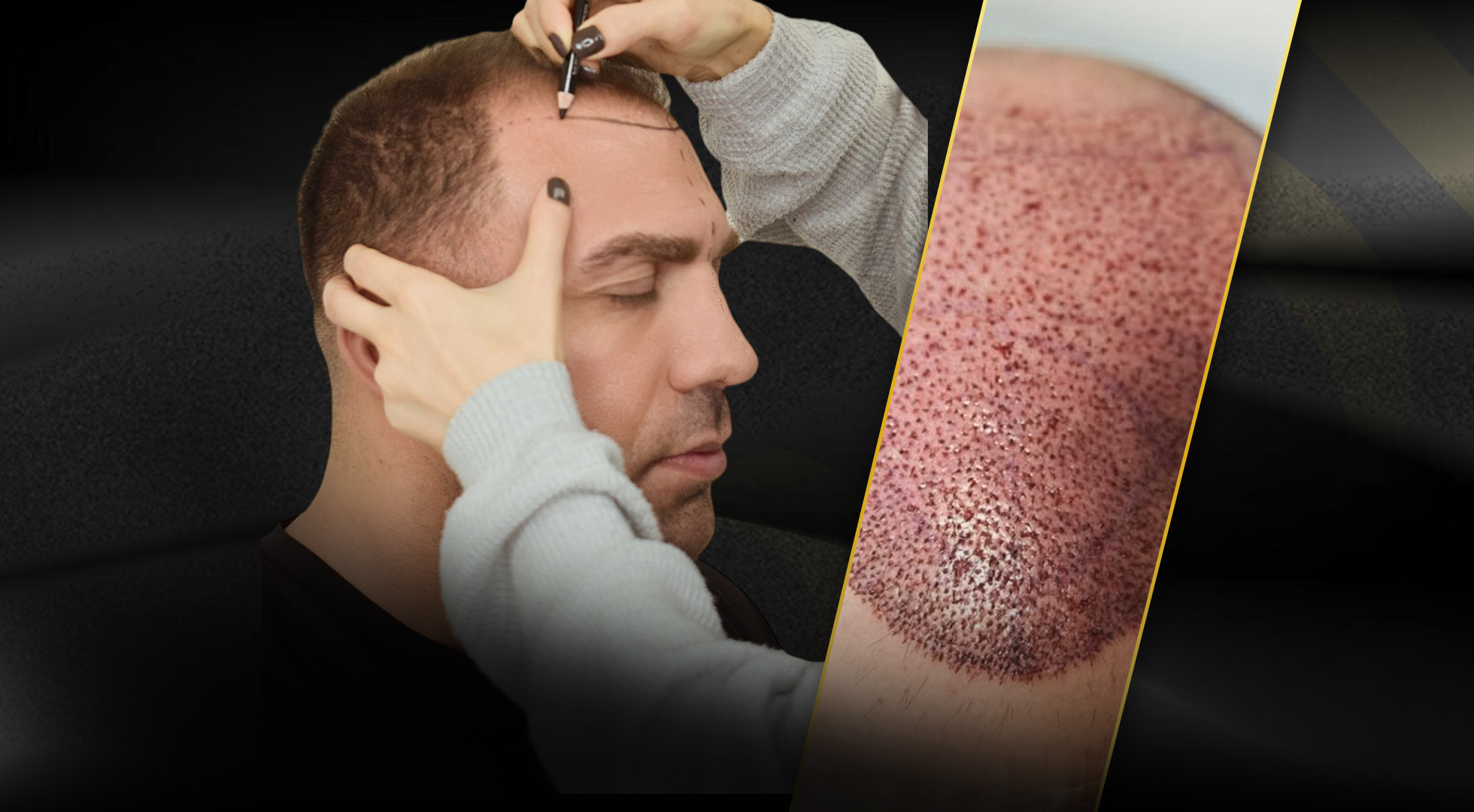
Step 1: Consultation and Planning
The specialist evaluates:
Hair loss pattern
Donor area quality
Hair characteristics
Desired hairline design
Step 2: Graft Extraction
Healthy follicles are harvested from the donor area, typically located at the back or sides of the scalp.
Step 3: Recipient Area Preparation
Tiny channels are created to receive the grafts.
Step 4: Implantation
The extracted follicles are carefully implanted according to the planned hairline and density.
The procedure is typically performed under local anesthesia.
What Is Recovery Like?
Hair transplant recovery is generally straightforward.
First Week
Patients may experience:
Mild swelling
Temporary redness
Small scabs around transplanted follicles
Mild sensitivity
Weeks 2 to 4
During this phase:
Scabs disappear
Transplanted hairs may shed temporarily
The scalp continues healing
This temporary shedding is a normal part of the process.
Months 3 to 6
New hair growth gradually becomes visible.
Patients typically notice:
Increased density
Improved coverage
Progressive hair growth
Months 9 to 12
Most patients begin to see the final results, with fuller and more natural-looking hair.
Are Hair Transplant Results Permanent?
Because transplanted follicles are taken from genetically resistant areas of the scalp, the results are generally considered permanent.
With proper care, transplanted hair continues to grow naturally for many years.
Why Choose Luxora Clinic?
At Luxora Clinic, we provide personalized hair restoration treatments tailored to each patient.
Our services include:
Comprehensive hair analysis
Advanced FUE and DHI techniques
Natural hairline design
Experienced hair transplant specialists
Dedicated patient coordinators
VIP transportation services
Hotel accommodation assistance
Comprehensive post-operative care
Our goal is to deliver natural-looking, long-lasting results that restore both hair and confidence.
Restore Your Hair and Confidence
A hair transplant in Turkey offers a safe, effective, and long-term solution for hair loss. With modern techniques and experienced specialists, patients can achieve natural hair growth and renewed confidence.
At Luxora Clinic, we guide patients through every stage of their hair restoration journey, helping them achieve fuller, healthier-looking hair with personalized care and expert treatment.